Basil Pesto
Opening Description
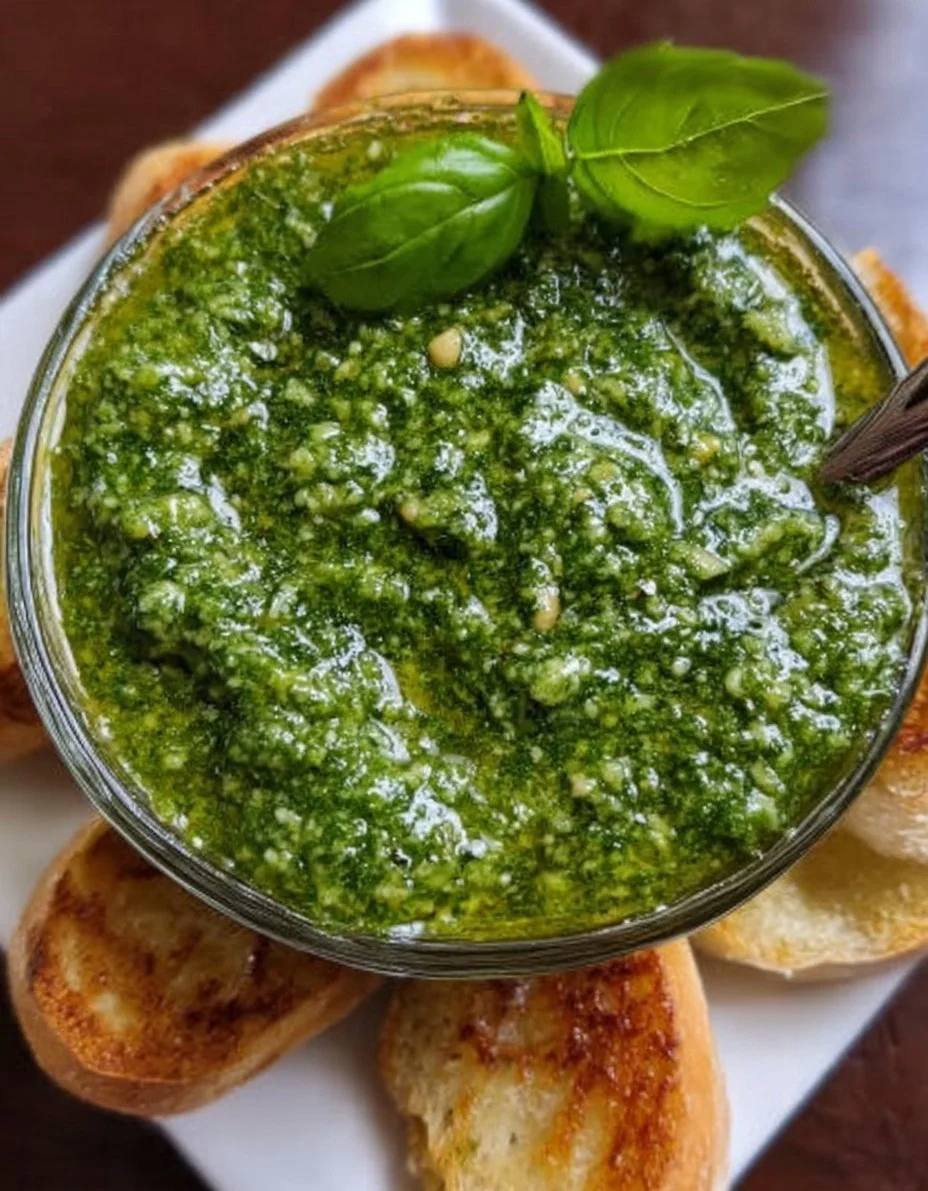
Imagine the moment when a fresh batch of basil pesto tumbles from your food processor, its vibrant green hue practically radiating with health and flavor. The aroma envelops you, a delightful embrace of aromatic basil, nutty pine nuts, and a whisper of earthy garlic. You dip in a spoon, letting the thick, creamy texture coat it perfectly, and as you take a taste, a burst of freshness dances on your palate. The basil sings with bright, herbaceous notes, while the olive oil drapes everything in a golden richness. Each bite offers a delightful contrast between the smoothness of the pesto and the slight crunch of the nuts, coaxing your senses into a culinary daydream.
Basil pesto is more than just a sauce; it’s a symphony of flavors that awakens dishes from their slumber. You can slather it on warm, crusty bread, twirl it through a steaming bowl of pasta, or use it as a bold topping on grilled chicken. Whatever the occasion, each dollop transforms the ordinary into the extraordinary. With its vibrant color and unmistakable taste, pesto captures the essence of summer—sunshine in a jar, nostalgia in a bite, and culinary creativity at your fingertips.
Why You’ll Love This Basil Pesto
Basil pesto embodies everything wonderful about fresh ingredients and effortless cooking. It’s a versatile companion that elevates countless dishes, making it a staple in any kitchen. The beauty of this sauce lies in its simplicity, yet it delivers an explosion of flavor that speaks volumes without overwhelming the senses.
- Endless Versatility: Slather it on sandwiches, toss it with roasted vegetables, or swirl it into soup for an instant flavor boost. The possibilities are truly endless.
- Fresh and Flavorful: Each ingredient shines, resulting in a tapestry of tastes that evoke the warmth of a Mediterranean summer.
- Quick and Easy: With just a few simple steps, you can create something that feels indulgent without spending hours in the kitchen.
- Customizable: Want a nuttier flavor? Throw in walnuts instead of pine nuts. Looking for an herbaceous twist? Experiment with a basil-mint combo. The choice is yours!
Pesto acts as both a vibrant sauce and a zesty condiment, perfect for gatherings, family dinners, or even solo cooking adventures when you crave something special. Each mouthful brings a smile, reminding you why good food is worth celebrating.
Preparation Phase & Tools to Use
Creating the perfect basil pesto involves more than just gathering ingredients; it requires the right tools and a sprinkle of passion.
- Food Processor: This essential tool saves time and delivers the desired texture. A blender could work in a pinch, but a food processor allows you to control the consistency without over-processing.
- Measuring Cups and Spoons: Precision can elevate a recipe, ensuring you get the perfect balance of flavors with every ingredient.
- Spatula: A good spatula helps scrape down the sides of the food processor, ensuring that every bit of basil and garlic is incorporated into your sauce.
- Airtight Container: After creating this green masterpiece, an airtight container keeps your pesto fresh and vibrant for days to come.
Preparation Tips:
- Make sure to use fresh basil leaves for the best flavor; older leaves can be bitter and dull.
- Toasting the pine nuts lightly before adding them will enhance their nutty flavor.
- Always taste as you go; adjusting seasoning will make all the difference!
Ingredients for Basil Pesto
Gathering quality ingredients is crucial for achieving a luscious basil pesto. Here’s what you will need:
- 2 cups fresh basil leaves: The star ingredient that brings the fresh, aromatic essence of pesto.
- 1/2 cup olive oil: A high-quality extra virgin olive oil adds fruity, rich undertones.
- 1/2 cup grated Parmesan cheese: This brings a savory depth and creamy texture.
- 1/3 cup pine nuts: Providing a buttery crunch, they harmonize beautifully with the basil.
- 3 cloves garlic: Garlic infuses warmth and a aromatic complexity that elevates the pesto.
- Salt and pepper to taste: Essential for enhancing all the flavors.
Possible Substitutions:
- Use walnuts or cashews if pine nuts are hard to find or too pricey.
- Swap in nutritional yeast for a vegan alternative to Parmesan, offering a cheesy flavor without dairy.
How to Make Basil Pesto
Creating basil pesto is as much about the process as it is about the ingredients. Follow these steps to elevate your kitchen game:
-
Prepare the Ingredients: Rinse your basil leaves gently, making sure to dry them well to avoid a watery pesto. Lightly toast the pine nuts in a dry pan over medium heat for a few minutes until they’re golden and fragrant, stirring frequently.
-
Combine Basil, Pine Nuts, and Garlic: In a food processor, add the basil leaves, toasted pine nuts, and garlic cloves. Pulse until you achieve a finely chopped consistency, making sure to scrape down the sides for even mixing.
-
Incorporate Olive Oil: With the processor running, slowly drizzle in the olive oil. The mixture should turn smooth and creamy; feel free to add more olive oil for a thinner texture if you prefer.
-
Add Cheese: Once the oil is thoroughly mixed, add the grated Parmesan cheese. Pulse again until everything is well combined.
-
Season to Taste: Finally, add salt and pepper to elevate the pesto. Taste and adjust the seasoning as needed—this is where your personal touch comes in!
-
Serve and Enjoy: Use your fresh basil pesto immediately atop pasta, sandwiches, or as a flavorful dip. Alternatively, transfer it to an airtight container for later enjoyment.
Chef’s Notes & Helpful Tips
- Make-ahead tips: You can make pesto a day or two in advance. Store it in the refrigerator, pressing plastic wrap directly onto the surface to prevent browning.
- Cooking alternatives: If you don’t have a food processor, a mortar and pestle lends an artisan flair, though it requires more elbow grease!
- Customization ideas: Experiment by adding lemon juice for a citrusy brightness or swapping in fresh herbs like parsley or oregano to change the flavor profile entirely.
Common Mistakes to Avoid
Creating basil pesto should be a joyous experience, but pitfalls exist. Here are a few common mistakes to sidestep:
- Using wilted or bruised basil: Dull leaves can compromise your pesto’s flavor. Always opt for vibrant, fresh leaves.
- Over-processing: You want a smooth, yet textured sauce. Blend too long, and you might end up with a paste instead of a delicious sauce.
- Skipping the seasoning: Don’t forget to taste and season your pesto! A pinch of salt can amplify flavors like nothing else.
What to Serve With Basil Pesto
Have fun pairing your basil pesto with a variety of dishes. Here are some great ideas to get you started:
- Pasta: Toss it with your favorite spaghetti or tortellini for a quick, flavorful meal.
- Grilled Chicken or Fish: Brush over proteins for a flavorful finish that complements grilled flavors beautifully.
- Sandwiches: Spread generously inside a sub or on a grilled cheese, adding a burst of flavor.
- Vegetable Dips: Serve with crunchy vegetables, enhancing their freshness and crunch.
- Pizza: Use it as a sauce base for a unique twist on traditional pizza.
- Risotto: Swirl it in after your rice is cooked for a marvelous flavor infusion.
- Savory Tarts: Layer on puff pastry with vegetables for an easy yet impressive appetizer.
Storage & Reheating Instructions
Basil pesto stores wonderfully if you know the tricks!
- Refrigerate: Keep it in an airtight container for up to a week. Use plastic wrap to minimize exposure to air.
- Freeze: For longer storage, pour pesto into ice cube trays, freeze, then transfer to a zip-top bag for up to 3 months.
- Reheat: Simply warm it gently over low heat; keep in mind that you shouldn’t need to fully reheat it—mild warmth freshens the flavor!
Estimated Nutrition Information
Here’s a quick glance at the nutritional info for basil pesto (per tablespoon):
- Calories: 80
- Total Fat: 8g
- Saturated Fat: 1g
- Carbohydrates: 1g
- Protein: 1g
- Fiber: 0g
Nutrition values may vary based on specific ingredients used.
FAQs
1. Can I use dried basil instead of fresh?
While you can use dried basil in a pinch, fresh basil yields the best flavor and aroma. Dried herbs lack the vibrant essence that fresh leaves deliver.
2. How can I store my basil pesto to prevent it from browning?
To keep your pesto green and lively, press plastic wrap directly onto the surface of the pesto before sealing it in an airtight container. Drizzling a little extra olive oil on top helps, too!
3. What can I do if my pesto is too bitter?
If you find your pesto too bitter, try adding a little more olive oil or cheese to balance the flavors. A bit of lemon juice can also add brightness and counteract bitterness.
4. Is there a non-dairy version of basil pesto?
Absolutely! Use nutritional yeast instead of Parmesan to create a delicious vegan version. You can also try incorporating silken tofu for creaminess without dairy.
5. Can I make this recipe in bulk?
Yes! Basil pesto freezes beautifully, making it perfect for batch cooking. Store in ice cube trays, and you can pop out just the right amount when needed.
Conclusion
Basil pesto offers a vibrant, delicious way to enhance meals, no matter the occasion. The combination of fresh basil, aromatic garlic, rich cheese, and a hint of nutty goodness creates a balance that can turn ordinary dishes into culinary masterpieces. With just a few simple ingredients and steps, you can unlock a world of flavor that captures the very essence of summer. So, roll up your sleeves, embrace the joy of cooking, and savor the delightful experience of making your very own basil pesto. Your taste buds will thank you!
Print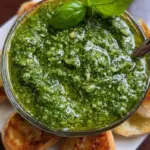
Basil Pesto
- Total Time: 15 minutes
- Yield: 1 cup 1x
- Diet: Vegetarian
Description
A vibrant and fresh basil pesto that elevates dishes with its aromatic flavors of basil, garlic, and pine nuts.
Ingredients
- 2 cups fresh basil leaves
- 1/2 cup olive oil
- 1/2 cup grated Parmesan cheese
- 1/3 cup pine nuts
- 3 cloves garlic
- Salt and pepper to taste
Instructions
- Prepare the ingredients: Rinse and dry basil leaves; toast the pine nuts in a dry pan until golden.
- Combine basil, pine nuts, and garlic in a food processor; pulse until finely chopped.
- Incorporate olive oil slowly while the processor runs until smooth and creamy.
- Add the grated Parmesan cheese and pulse until well combined.
- Season with salt and pepper to taste; adjust seasoning as needed.
- Serve immediately on pasta, sandwiches, or store in an airtight container for later use.
Notes
Use fresh basil for the best flavor, and remember to taste and adjust seasoning as you go.
- Prep Time: 10 minutes
- Cook Time: 5 minutes
- Category: Condiment
- Method: Blending
- Cuisine: Italian
Nutrition
- Serving Size: 1 tablespoon
- Calories: 80
- Sugar: 0g
- Sodium: 50mg
- Fat: 8g
- Saturated Fat: 1g
- Unsaturated Fat: 7g
- Trans Fat: 0g
- Carbohydrates: 1g
- Fiber: 0g
- Protein: 1g
- Cholesterol: 5mg
Keywords: basil pesto, Italian sauce, homemade pesto, cooking, vegetarian