
Korean Beef Noodles Recipe
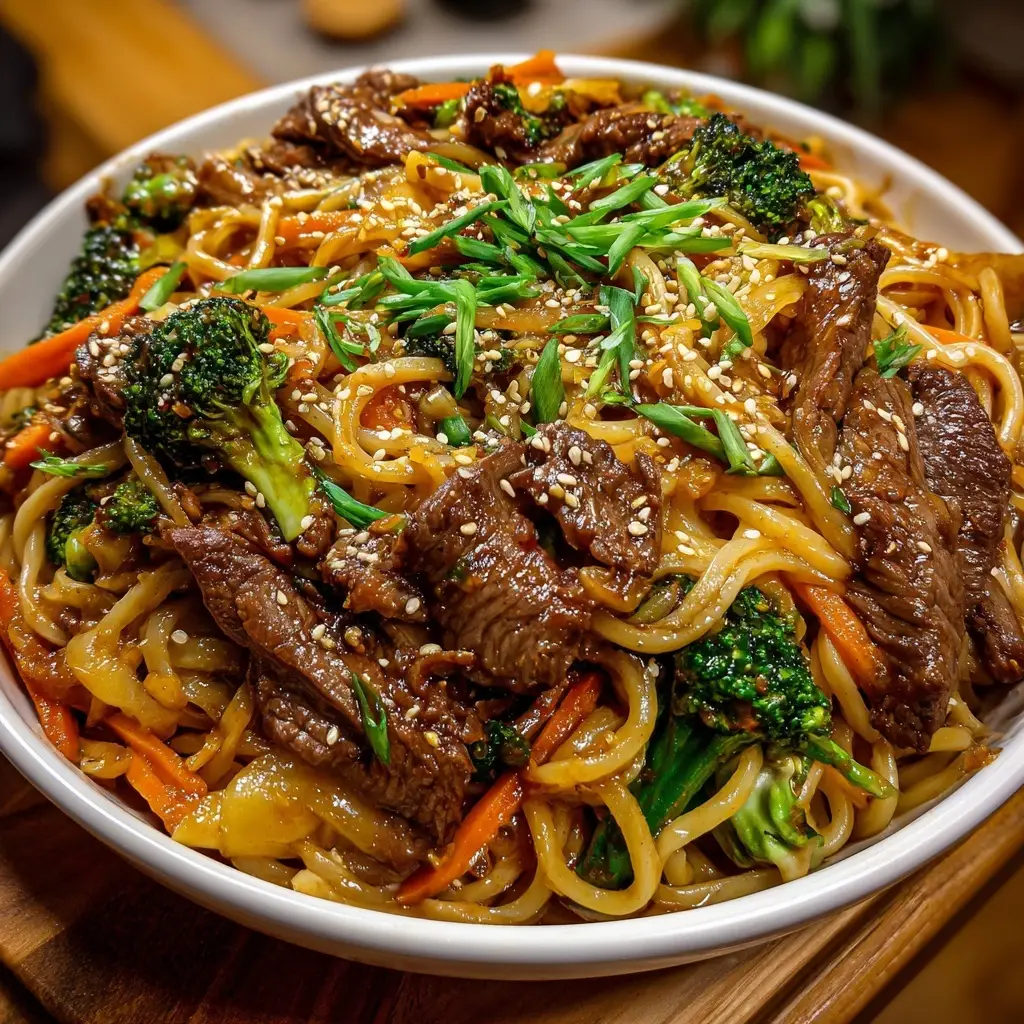
Introduction to Korean Beef Noodles Recipe
Welcome to my kitchen, where flavors dance and aromas tell stories! Today, I’m excited to share my Korean Beef Noodles Recipe, a dish that’s not just a meal but a delightful culinary adventure. If you’re a busy mom or a professional juggling a million tasks, this recipe is your quick solution for a satisfying dinner. It’s packed with tender beef, vibrant veggies, and flavorful noodles, making it perfect for impressing your loved ones or simply treating yourself after a long day. Let’s dive into this delicious journey together!
Why You’ll Love This Korean Beef Noodles Recipe
This Korean Beef Noodles Recipe is a lifesaver for busy weeknights. It’s quick to prepare, taking just 45 minutes from start to finish. The flavors are a delightful blend of savory and spicy, making every bite a taste sensation. Plus, it’s versatile! You can easily swap in your favorite veggies or proteins. Trust me, this dish will become a family favorite in no time!
Ingredients for Korean Beef Noodles Recipe
Gathering the right ingredients is the first step to creating a delicious Korean Beef Noodles dish. Here’s what you’ll need:
- Beef sirloin: Tender and flavorful, this cut is perfect for stir-frying. You can also use flank steak if you prefer.
- Noodles: Korean wheat noodles are ideal, but feel free to use any noodles you have on hand, like rice noodles or even spaghetti.
- Soy sauce: This adds a savory depth to the dish. Opt for low-sodium soy sauce if you’re watching your salt intake.
- Sesame oil: A little goes a long way! It brings a nutty flavor that complements the beef beautifully.
- Gochujang: This Korean chili paste adds a spicy kick. Adjust the amount based on your heat preference.
- Sugar: Just a touch balances the flavors and enhances the overall taste.
- Garlic: Freshly minced garlic infuses the dish with aromatic goodness.
- Broccoli: These vibrant florets add color and crunch. You can swap them for snap peas or bell peppers if you like.
- Carrot: Julienned for a sweet crunch, carrots are a great addition. You can also use zucchini for a twist.
- Green onions: Chopped green onions make a fresh garnish, adding a pop of flavor and color.
- Vegetable oil: Used for stir-frying, it helps achieve that perfect sear on the beef.
For exact measurements, check the bottom of the article where you can find everything listed for easy printing. Now that you have your ingredients ready, let’s get cooking!
How to Make Korean Beef Noodles Recipe
Now that we have our ingredients ready, let’s jump into the cooking process! This Korean Beef Noodles Recipe is straightforward and fun. Follow these steps, and you’ll have a delicious meal on the table in no time!
Step 1: Prepare the Marinade
Start by mixing the soy sauce, sesame oil, gochujang, sugar, and minced garlic in a bowl. This marinade is the heart of the dish, infusing the beef with rich flavors. Make sure to stir it well until the sugar dissolves. The aroma will make your mouth water!
Step 2: Marinate the Beef
Next, add the thinly sliced beef to the marinade. Toss it gently to ensure every piece is coated. Let it sit for at least 30 minutes. If you have time, marinating longer will deepen the flavors. I often prepare this step in the morning, so dinner is a breeze later!
Step 3: Cook the Noodles
While the beef marinates, cook the noodles according to the package instructions. Once they’re al dente, drain them and set aside. A little tip: toss them with a splash of oil to prevent sticking. This will keep your noodles nice and separate when you combine everything later.
Step 4: Stir-Fry the Beef
Heat vegetable oil in a large skillet over medium-high heat. Once hot, add the marinated beef. Stir-fry for about 5-7 minutes until it’s browned and cooked through. The sizzling sound is music to my ears! Make sure not to overcrowd the pan; you want that beautiful sear.
Step 5: Add Vegetables
Now, it’s time to add the broccoli and julienned carrots to the skillet. Stir-fry for an additional 3-4 minutes. You want the veggies to be tender yet crisp. The vibrant colors will brighten your dish and make it even more appetizing!
Step 6: Combine Noodles and Beef
Finally, add the cooked noodles to the skillet. Toss everything together until well combined. The noodles should soak up all those delicious flavors. Garnish with chopped green onions before serving. Trust me, this Korean Beef Noodles Recipe will have everyone asking for seconds!
Tips for Success
- Prep all your ingredients before starting to cook. It makes the process smoother!
- Don’t skip marinating the beef; it’s key to enhancing the flavor.
- Use a large skillet or wok for even cooking and to avoid overcrowding.
- Feel free to customize the veggies based on what you have at home.
- For extra flavor, drizzle a bit of sesame oil over the finished dish.
Equipment Needed
- Large skillet or wok: Essential for stir-frying. A non-stick pan works too!
- Mixing bowl: For preparing the marinade. Any bowl will do!
- Colander: To drain the noodles after cooking.
- Knife and cutting board: For slicing the beef and veggies.
- Measuring spoons: Helpful for accurate ingredient measurements.
Variations of Korean Beef Noodles Recipe
- Chicken or Tofu: Swap the beef for sliced chicken breast or tofu for a lighter option. Both absorb flavors beautifully!
- Vegetable-Loaded: Add more veggies like bell peppers, snap peas, or mushrooms for extra nutrition and color.
- Gluten-Free: Use gluten-free noodles or zucchini noodles to make this dish suitable for gluten-sensitive diets.
- Spicy Kick: Increase the amount of gochujang or add sliced fresh chilies for those who love heat!
- Herb Infusion: Toss in fresh herbs like cilantro or basil at the end for a burst of freshness.
Serving Suggestions for Korean Beef Noodles Recipe
- Side Dishes: Pair with a simple cucumber salad or kimchi for a refreshing contrast.
- Drinks: Serve with a chilled glass of iced green tea or a light beer to complement the flavors.
- Presentation: Serve in a large bowl, garnished with sesame seeds and extra green onions for a pop of color.
FAQs about Korean Beef Noodles Recipe
Can I make this Korean Beef Noodles Recipe ahead of time?
Absolutely! You can marinate the beef in advance and store it in the fridge. Just cook the noodles and stir-fry everything when you’re ready to eat. It’s a great way to save time on busy nights!
What can I substitute for gochujang?
If you don’t have gochujang, you can use sriracha or another chili paste. Just keep in mind that the flavor will differ slightly. Adjust the amount based on your spice tolerance!
Is this Korean Beef Noodles Recipe suitable for meal prep?
Yes! This dish holds up well in the fridge for a few days. Just reheat it in a skillet or microwave. It’s perfect for quick lunches or dinners throughout the week!
Can I use other types of noodles?
Definitely! While Korean wheat noodles are ideal, you can use rice noodles, udon, or even spaghetti. Just cook them according to the package instructions for the best results.
How can I make this dish vegetarian?
To make a vegetarian version, simply replace the beef with tofu or tempeh. You can also add more vegetables to make it hearty and satisfying. The flavors will still shine through!
Final Thoughts
Cooking this Korean Beef Noodles Recipe is more than just preparing a meal; it’s about creating moments of joy in the kitchen. The vibrant colors, enticing aromas, and delightful flavors come together to make a dish that warms the heart. Whether you’re sharing it with family or enjoying it solo after a long day, each bite is a reminder of the love and care you put into your cooking. I hope this recipe brings you as much happiness as it has brought me. So, roll up your sleeves and let the culinary adventure begin!
Print
Korean Beef Noodles Recipe
- Total Time: 45 minutes
- Yield: 4 servings 1x
- Diet: Gluten Free
Description
A delicious and savory Korean beef noodles recipe that combines tender beef with flavorful noodles and a variety of vegetables.
Ingredients
- 8 oz. beef sirloin, thinly sliced
- 8 oz. noodles (preferably Korean wheat noodles)
- 2 tablespoons soy sauce
- 1 tablespoon sesame oil
- 1 tablespoon gochujang (Korean chili paste)
- 1 tablespoon sugar
- 2 cloves garlic, minced
- 1 cup broccoli florets
- 1 carrot, julienned
- 2 green onions, chopped
- 1 tablespoon vegetable oil
Instructions
- In a bowl, mix the soy sauce, sesame oil, gochujang, sugar, and minced garlic to create the marinade.
- Add the sliced beef to the marinade and let it sit for at least 30 minutes.
- Cook the noodles according to package instructions, then drain and set aside.
- In a large skillet, heat the vegetable oil over medium-high heat.
- Add the marinated beef to the skillet and stir-fry until browned and cooked through.
- Add the broccoli and carrot to the skillet and stir-fry for an additional 3-4 minutes.
- Stir in the cooked noodles and toss everything together until well combined.
- Garnish with chopped green onions before serving.
Notes
- For a spicier dish, add more gochujang to taste.
- You can substitute beef with chicken or tofu for a different protein option.
- Feel free to add other vegetables like bell peppers or snap peas.
- Prep Time: 30 minutes
- Cook Time: 15 minutes
- Category: Main Course
- Method: Stir-frying
- Cuisine: Korean
Nutrition
- Serving Size: 1 serving
- Calories: 450
- Sugar: 5g
- Sodium: 800mg
- Fat: 15g
- Saturated Fat: 3g
- Unsaturated Fat: 10g
- Trans Fat: 0g
- Carbohydrates: 60g
- Fiber: 4g
- Protein: 25g
- Cholesterol: 60mg
Keywords: Korean Beef Noodles, Beef Noodles Recipe, Korean Cuisine, Stir-fry Noodles